
This page has some very useful information for volunteers and help improve their agricultural knowledge and experience on the farm. It was originally compiled by Joyce Lee, one of our volunteers in 2020/2021. The farm is constantly evolving and so we will do our best to keep the information up to date.
☼ Sun 土 Soil 水 Water 收 Harvest — Spacing
0 Year round, 1 Jan, 2 Feb, 3 Mar, 4 Apr, 5 May, 6 June, 7 July, 8 Aug, 9 Sept, 10 Oct, 11 Nov, 12 Dec, 13 As needed
| English | Chinese | Family | Optimal Conditions | forest function | Care | |
Aloe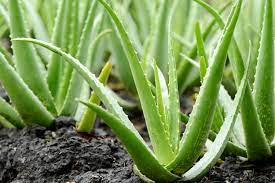 | 蘆薈屬 Lúhuì shǔ | moringaceae | better to choose larger edible variety for easier food processing. ☼ bright, indirect 土 grows best in soil with excellent drainage 水 make sure soil is completely dry before completely soaking 收 Remove 3-4 leaves at a time, choosing thick leaves from the outer sections of the plant. | 13: small suckers need to be removed | ||
| Ambarella Spondias dulcis 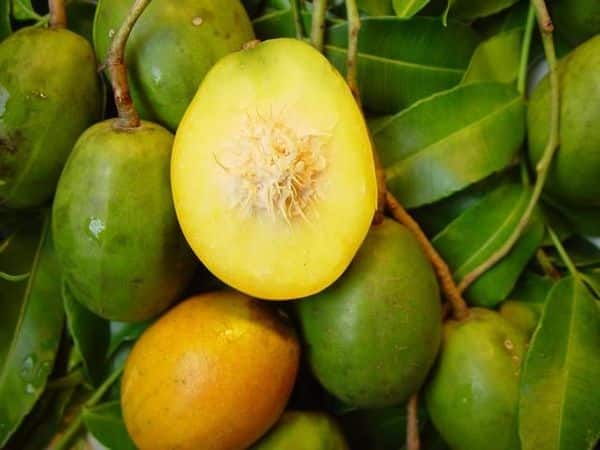 | 太平洋桲/ 沙梨 Shālí | lythraceae (loosestrifes) | ☼ full sun 土 The ambarella grows on all types of soil, as long as they are well-drained. 水 moderate watering 收 harvest when seeds start yellowing and wilting | overstory | 8: harvest | |
Avocado | 酪梨 Lào lí | lauraceae (laurels) | ☼ full, 6+ hours direct , 土 well drained ph 5.5, 水 deeply at least once a week. 收 The fruit should soften within a week or two. If so, this is an indicator that the rest of the avocados are ready to harvest. | 6: avocados need to be bagged when young, maybe around June | ||
Arrowroot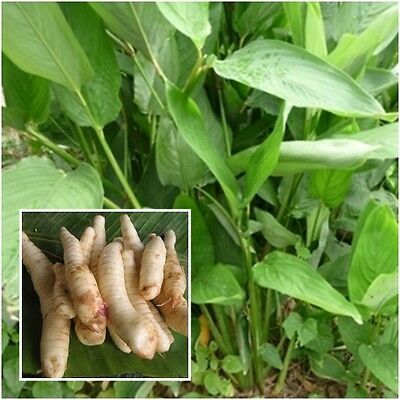 | 粉薯 Fěn shǔ | araceae (arum) | ☼ 土 水 收 | herb/medium-high | ||
Bamboo shoots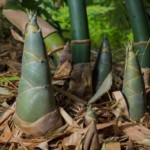 | 竹子 Zhúzi | poaceae (grass) | ☼ 土 well drained ph 6, 水 收 June July August possibly earlier | 13: pruning to prevent overcrowding | ||
Banana | 香蕉Xiāngjiāo | lauraceae (laurel) | choose varieties which don't grow too large as prone to falling during rainy season. ☼ full best but highly exposed bananas suffer during drought times at least 3+ direct, or 6+ dappled 土 moist to wet 水 Only water when the top 1/2 inch of soil is dry. Test the soil with your fingers before watering, susceptible to root rot 收 year round | overstory | 0: prune suckers, cut leaves, cut banana flowers once finished fruiting leave one young shoot per mature plant. two if mature plant is flowering Since banana plants grow so fast, they benefit from regular fertilization during the growing season. Choose a fertilizer designed for vegetative growth; a fertilizer with an NPK ratio of 5-3-3 is a good choice. During the summer, fertilize your plant every two weeks. When plants are dormant in the fall through spring, fertilize once a month. | |
Barbados CherryAcerola, W. Indian Cherry | 梅麗,西印度櫻桃,南美假櫻桃 | bromeliaceae | ||||
| Black Sapote Chocolate pudding fruit 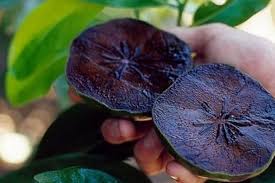 | 巧克力布丁果 Qiǎokèlì bùdīng guǒ | |||||
| Cassava Tapioca, manoic, yuca 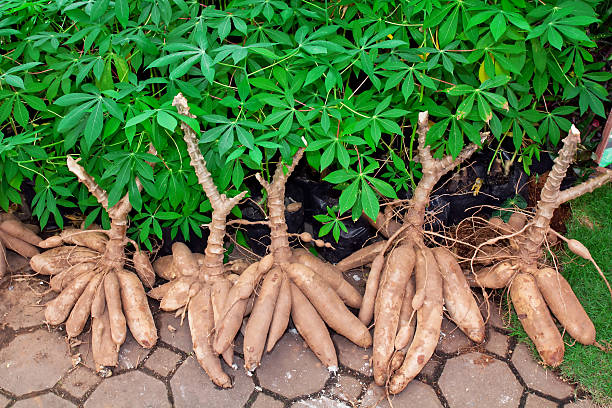 | 木薯 Mùshǔ | lauraceae (laurel) | syntropic secondary/short ☼ full 土 moist well drained best 5.5-6.5 水 收 12-18 months from planting | shrub | 13: propagation: cuttings of woody mature plants, approximately one meter, planted 2-3 meters apart weeding: remove climbing vines particularly wild morning glory | |
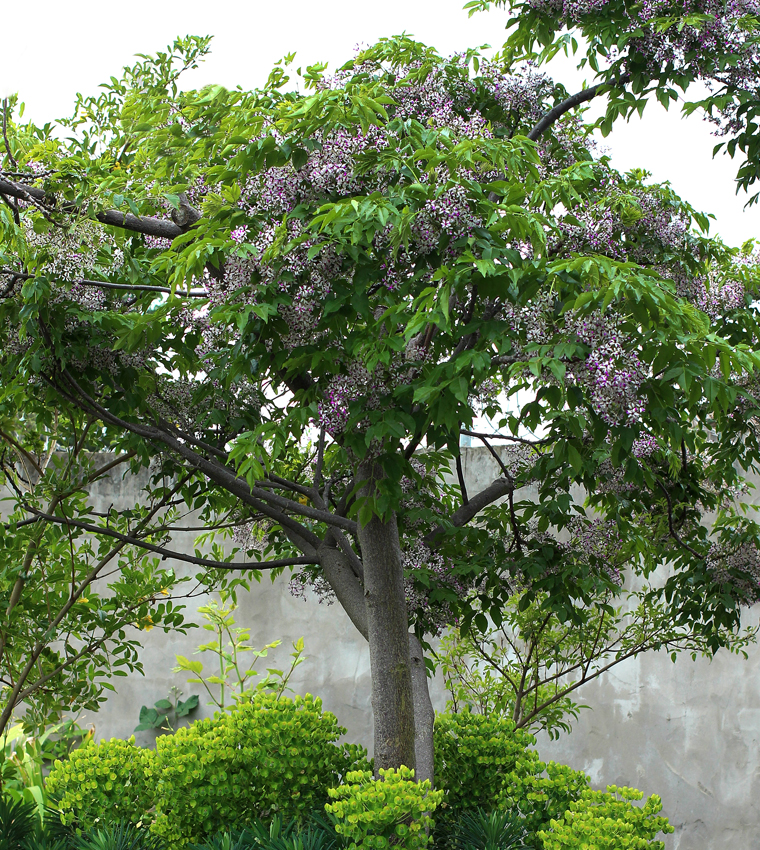
| Chinaberry taiwan neem, Melia azedarach
| 台灣苦練 Táiwān kǔ liàn | cupressaceae | ||||
| Phoenix eye fruit Sterculia monosperma 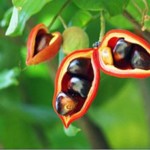 | 蘋婆 Píngguǒ pó | malvaceae (mallows) | ☼ 土 水 收 | 8: harvest | ||
| Chinese mahogany Toona sinensis 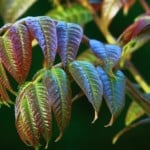 | 香椿 Xiāngchūn | meliaceae (mahogany) | ☼ 土 moist but well drained 水 drought tolerant 收 young leaves | 0: fruit, leaves, shoots edible, harvest tender leaves for processing | ||
Coconut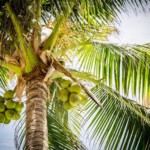 | 椰子 Yēzi | moraceae (mulberry) | ☼ full 土 wet 水 收 beware of falling coconuts | overstory | 13 | |
Curry tree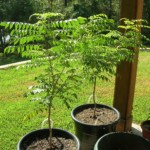 | 咖哩樹 Gālí shù | lamiaceae (mint/deadnettle/sage) | ☼ 土 水 收 | medium high, secondary short | 0 | |
| Eggfruit Pouteria campechiana, abiu, canistel 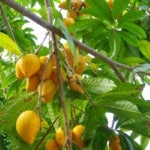 | 蛋果 Dàn guǒ | sapotaceae (zapote) | ☼ full sun sufficient space to fruit properly 土 moist well drained (mulching recommended) Trees growing in fertile soils tend to produce larger but fewer fruit, whereas trees growing in infertile soils produce many but smaller fruit. 水 收 | 6: bag young fruit, may need fertilization | ||
| Fragrant Manjack Cordia dichotoma, snotty gobbles, glue berry, anonang, pink pearl, bird lime tree, and Indian cherry 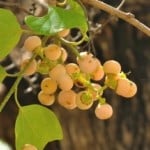 | 樹子仔 Shùzi zǐ | boraginaceae (borage) | ☼ 土 水 收 | 7: harvest | ||
Ginger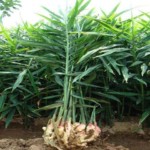 | 薑 Jiāng | myrtaceae (myrtle) | *make sure it's edible ginger variety ☼ protection from full sun 土 moist well drained 水 收 ginger planted with small shoots ready harvest in approximately 6 mos, reduce water as plant dies back to encourage rhizome growth. dies in autumn, remove dead leaves. in spring separate root clumps and replant | |||
Guava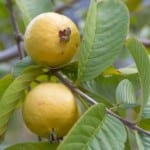 | 芭樂 Bālè | myrtaceae (myrtle) | ☼ full 土 neutral best 水 收 june to august | medium/ secondary-long | prune suckers and water sprouts regularly, Trees will blossom 10 to 12 weeks after pruning; if not pruned guava will blossom in autumn. Thin fruit so that no more than 4 fruits mature on each branch Bag fruit when approximately 50nt size. remove all white webbing, ants, insects. put styrofoam side on, wrap both ends of plastic bag 360 degrees around branch, tightly so that insects do not enter | |
Hibiscus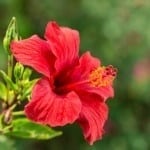 | 芙蓉 Fúróng | malvaceae (mallows) | ☼ 土 水 收 | |||
| Indian Gooseberry Amla 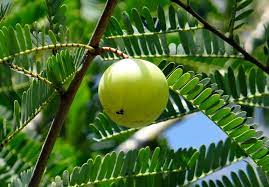 | 印度醋栗 Yìndù cù lì | ☼ 土 light as well as heavy soils except purely sandy soil. 水 收 | ||||
| Jabuticaba Brazilian grapetree 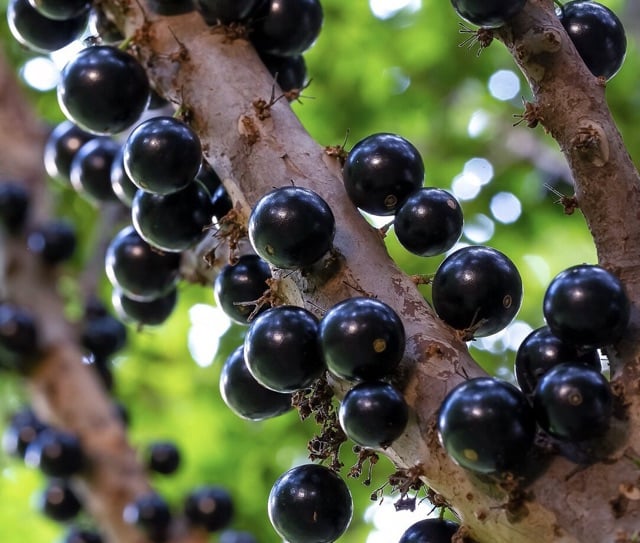 | 树葡萄 Shù pútáo | A slow growing tree, jaboticaba requires medium to high sun exposure and will thrive in a wide range of soil mediums. In high pH soils, however, additional fertilization should be applied. In general, feed the tree three times a year with a complete fertilizer. Additional jaboticaba tree care may be needed for iron deficiencies. | ||||
Jackfruit | 波羅蜜 Bōluómì | moraceae (mulberry) | ☼ full sun, or at least 3+ hours of direct sun, 6+ hours of dappled sun. 土 drought tolerant or moist soil 水 收 | overstory | ||
Lemon | 檸檬 Níngméng | meliaceae (mahogany) | ☼ 土 水 收 | overstory | ||
| Lemongrass Cymbopogon 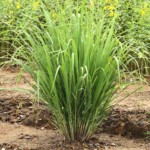 | 香茅 Xiāng máo | burseraceae (torchwood) | ||||
| Longan Dragon eye 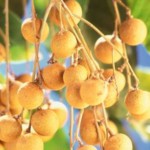 | 龍眼 Lóngyǎn | sapindaceae (soapberry) | ☼ 土 水 收 | |||
Lychee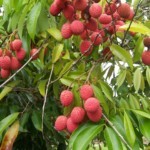 | 荔枝 Lìzhī | sapindaceae (soapberry) | ☼ 土 水 收 | |||
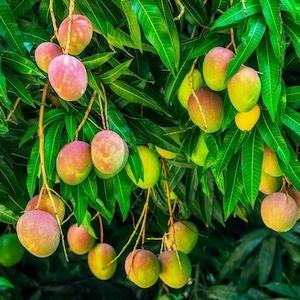
| Mango Mangifera indica
| 芒果 Mángguǒ | Mangifera | ☼ full sun 土 best in deep, well drained soil that is slightly acidic. They tolerate dry conditions, waterlogging and moderate salinity. | |||
| Mint Mentha 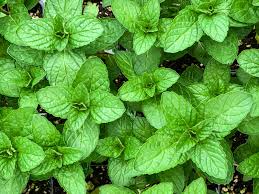 | 薄荷 Bòhé | areceae | ☼ part shade 土 moist but not soggy soil 水 keepkept moist but not overly wet. 收Frequent harvesting is the key to keeping mint plants at their best. | |||
| Moringa Drumstick tree 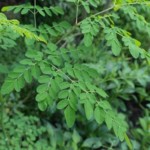 | 辣木 Là mù | oxalidaceae (wood sorrel) | ☼ 土 水 收 full sun, drought tolerant to moist soil | high/emergent, secondary-long | ||
| Mulberry Morus plant 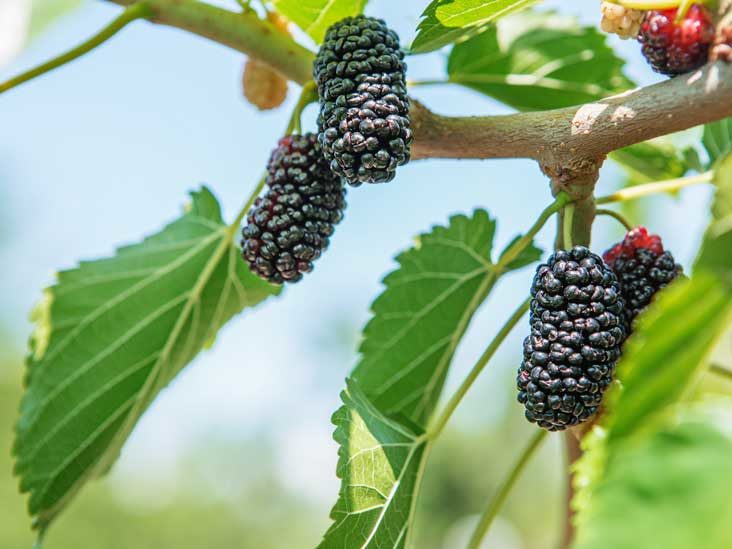 | 桑葚樹 Sāngrèn shù | fabeaceae (bean) | ☼ 土 水 收 | overstory | ||
| Myrobalan Terminalia chebula, Haritaki 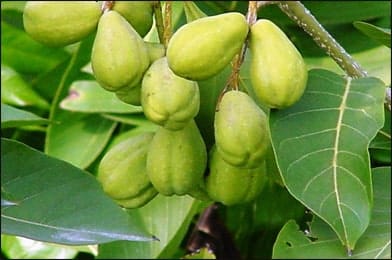 | 米羅巴蘭 Mǐ luó bā lán | Medicinal seed when dried | ☼ 土 水 收 | overstory | ||
| Noni Morinda citrifolia 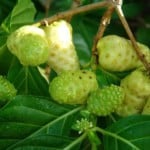 | 諾麗 Nuò lì | rubiaceae (coffee) | ☼ 土 水 收 | |||
Papaya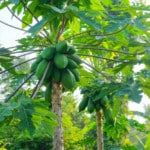 | 木瓜 Mùguā | oleaceae (olive) | ☼ lots 土 fertile 水 susceptible to root rot 收 | emergent/secondary-short | ||
Pea flower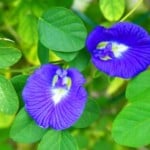 | 豌豆花 Wāndòu huā | fabaceae (legume) | ☼ 土 水 收 | |||
Pineapple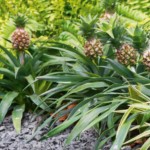 | 鳳梨 Fènglí | poaceae (grass) | ☼ 6+ 土 水 1x/week, too wet prone to root rot 收 | herb -low/short | ||
| Starfruit Carambola 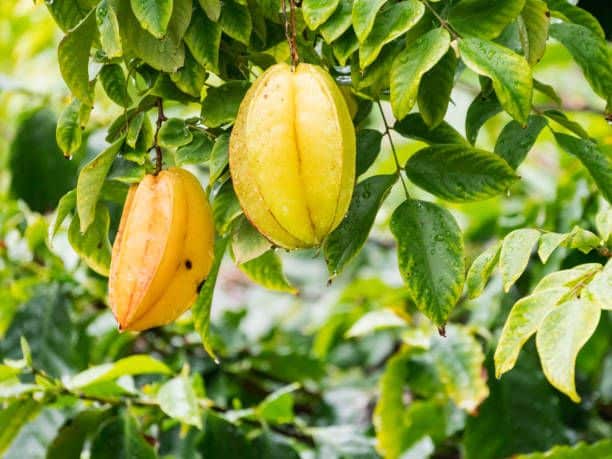 | 楊桃 Yángtáo | oxalidaceae (oxalis) | medium / secondary long | |||
Sweet potato & leaves | 地瓜 Dìguā | pandanaceae (pandan) | full sun, or at least 3+ hours of direct sun, 6+ hours of dappled sun. moist to wet soil | emergent/secondary-long | ||
Tamarind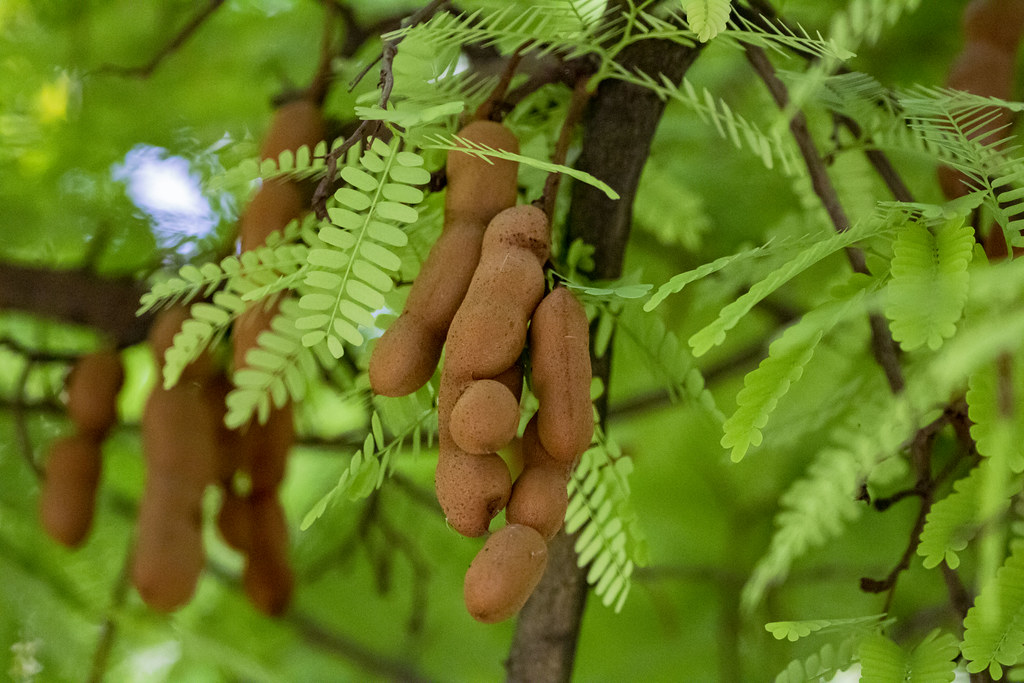 | 酸豆 Suān dòu | myrtaceae (myrtle) | full sun, drought tolerant to moist soils | high or emergent/climax | ||
Taro | 芋頭 Yùtou | pandanaceae (pandan) | ||||
| Tea tree Melaleuca 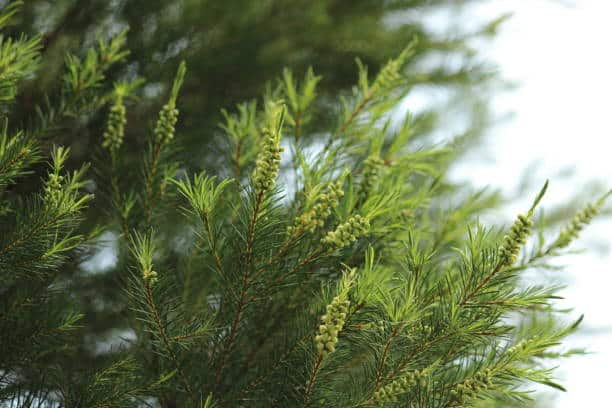 | 茶樹 Cháshù | convolvulaceae (morning glory) | ||||
Turmeric | 薑黃 Jiānghuáng | musaceae (banana) | full sun, or at least 3+ hours of direct sun, 6+ hours of dappled sun. moist soil | shrub | ||
| Wax apple, wax jambu, Syzygium samarangense 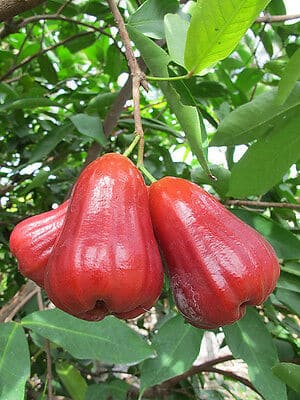 | 蓮霧 Lián wù | malpighiaceae |
Crop Calendar
| Month | Crops | Tasks | Characteristics | Pastimes |
| JANUARY | Turmeric | Sweet Potato Leaves | ||
| FEBRUARY | ||||
| MARCH | Mulberries | Planted Pineapples, Herbs, Harvested mulberries | ||
| APRIL | Coconut | Prune Mulberry trees, Coconut Processing, Banana Care | ||
| MAY | Mugwort | Banana Supports before rains, Banana Care, Weeding, Bagging wax apple, guava, mango | Hot and Warm | Solar Drying |
| JUNE | Wax Apple, Lychee, W. Indian Cherry, Bamboo Shoots, Pineapple, Mango, Chinese Mahogany | Weeding, Bagging wax apple, mango, Make sure to bring in water pumps after second rain or in case of heavy rains around 100mm/hr and up | Monsoons, Stingy Mosquitoes | Solar Drying, Mosquito Repellant Plants, |
| JULY | Bird Lime, Bamboo Shoots, Pineapple, Mango, Butterfly Pea flowers, Mugwort, Chinese Mahogany, Moringa, lemons | Weeding, Mowing,- | Thunderstorms, Stingy Mosquitoes | Solar Drying |
| AUGUST | Jackfruit, Longan, Chinese Chestnut, Noni, SaLi (Chinese Olive), Bamboo Shoots, Lemons | Harvesting, Mowing | Monsoons, mold, mildew, algae,, better weather and less stingy mosquitoes, rain gear and dehumidifier | Reading |
| SEPTEMBER | Plant Cool Crops | - | ||
| OCTOBER | Plant Cool Crops | |||
| NOVEMBER | Turmeric, Coconuts | Weeding, Planting Pineapples, Cleaning, Coconut Processing, Fertilizing, Moving Branches, Wood Chipping, Banana Care | ||
| DECEMBER | Green Papaya | Fertilizing, Moving Branches, Pruning, Weeding, Banana Care | ||
| Year Round | Banana | Weeding, mulching, Banana Care |
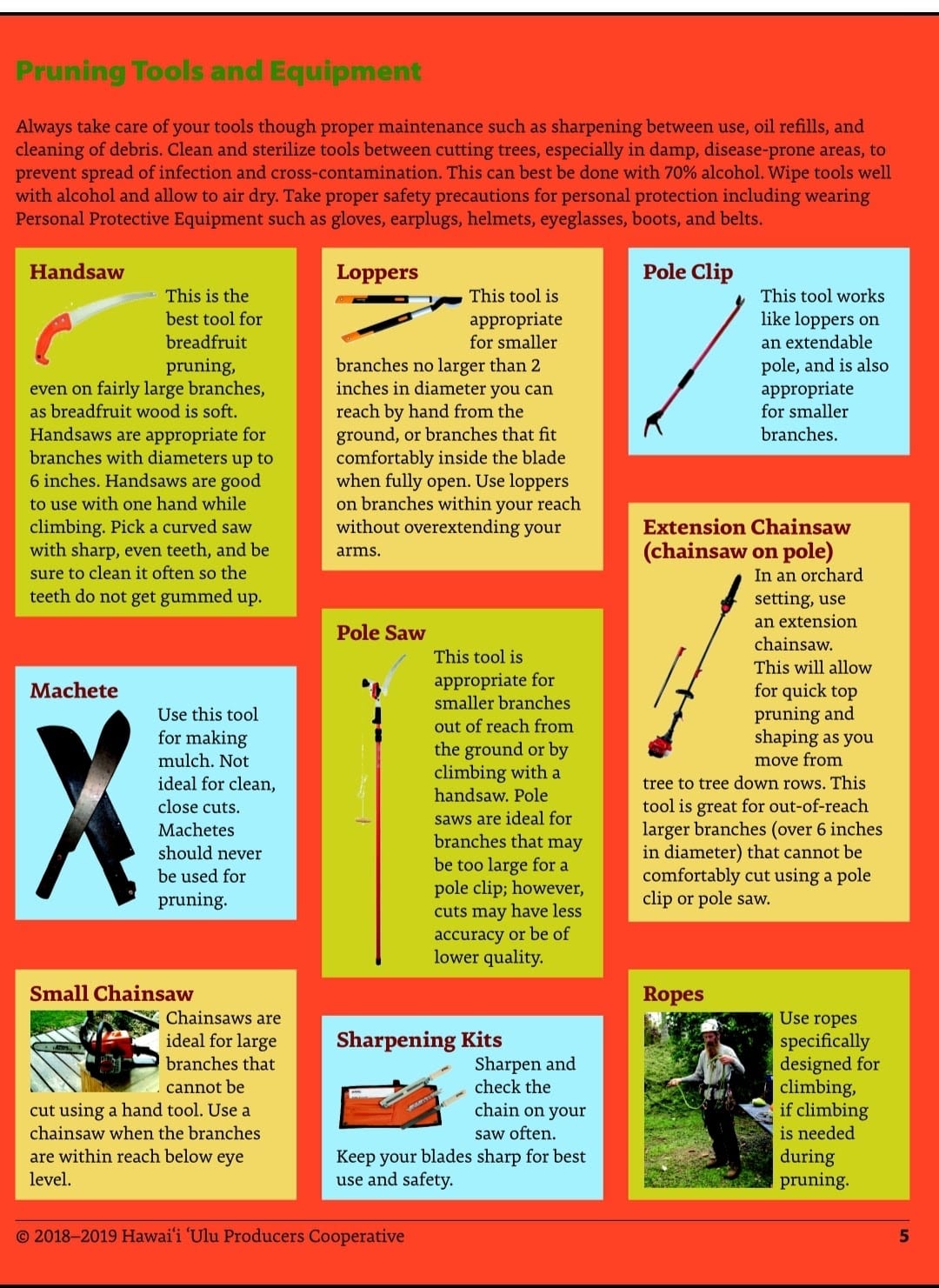
Tools
Lawn Mower, Weed Whacker, Ladders, Wheelbarrow, Spade, Hoe, Rake, Basket, Rope
Banana care
CHECK for ripe yellow bananas every 2 or 3 days best
REMOVE banana suckers, leave one sucker or young plant per mature or maturing plant, two young with a fruiting plant

SUPPORT Bananas, especially before rainy season

CUT banana flowers when only male portions remain. Use banana cutting pole tool.

BAG bananas

Harvest when first yellow bananas appear, mature plant will die after fruiting. Choose a place on the trunk of the tree to cut, so that when the top part starts bending over from the weight, bananas do not hit the ground. Then harvest and cut up tree and place as mulch
Pruning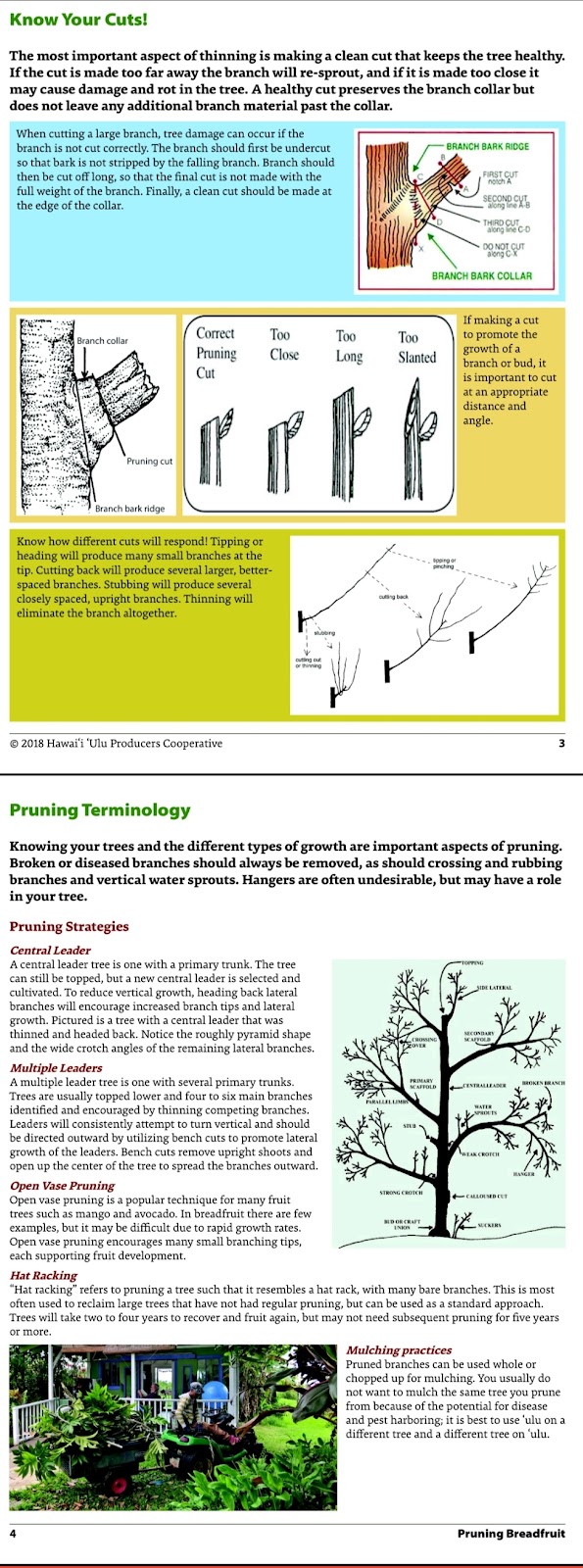
Weeds
| English | Chinese | Family |
| bidens pilosa | 大花咸豐草 | poaceae (grass) |
| duckweed | 浮萍亞科 | rutaceae (citrus) |
| elephant grass | 象草 | poaceae (grass) |
| morning glory | 牽牛 | zingiberaceae (ginger) |
| oxalis | 酢浆草 | zingiberaceae (ginger) |
| paper mulberry | 構樹 | poaceae (grass) |
| pigeon pea | 木豆 | zingiberaceae (ginger) |
| silvergrass | 芒草 | rutaceae (citrus) |
[/vc_column_text][/vc_tta_section][vc_tta_section title="Other plants" tab_id="1629071463371-ec581ca0-691b"][vc_column_text]
| English | Chinese | Family | Category |
| sweet osmanthus, sweet olive | 桂花樹 | araceae (arum) | Other Edibles |
| white turmeric | 白薑黃 | arecaceae (palm) | Other Edibles |
| 月桃 | Other Edibles | ||
| 南洋山 | Other Edibles | ||
| 金銀花 | Other Edibles | ||
| silvery wormwood, chinese mugwort | 艾草 | Cucurbitaceae (melon) | Medicinal |
| camphor | 樟腦 | convolvulaceae (morning glory) | Medicinal |
| cinnamon | 肉桂樹 | caricaceae | Medicinal |
| dragon juniper | 龍柏 | euphorbiaceae (spurge) | Medicinal |
As our farm is 100% organic, it attracts a variety of wildlife, including Dragonflies, Snails, Frogs, Turtles, Cicadas, Crickets, Birds, Snakes and occasionally Monkeys
Cleaning
| HOW TO | |
| clean mold from fridge (suggestions from 10 sites) | INSERTS a. warm soapy water in sink INTERIOR SURFACE 1. Clean a. warm soapy water (favorite detergent) b. 1:1 water vinegar solution (opt 1tsp baking soda) c. bucket with tsp vinegar d. 1:2 vinegar water solution (1x a month for maintenance) e. microwave juice of 1 lemon plus lemon peels for 3 minutes at 700 watts. place in empty fridge and steam for 30 mins, then wipe. 2. Disinfect a. full strength vinegar for 10 minutes for disinfection after cleaning. rinse with water 3. (no longer recommended by epa: 1C bleach+1gal water or 1:1 bleach water solution. Wear gloves and protective eyewear) GASKETS a. full strength hydrogen peroxide or vinegar, cloth or toothbrush where needed b. spray bottle with water and 1-2tsp vinegar c. wd40 can remove many stains on gaskets d. 1:1 water vinegar solution OTHER PARTS 1. clean ice & water dispensers with vinegar & water 2. change fridge air filter every 3 to 6 mos 3. drip tray PROP OPEN FRIDGE allow to dry DEODORIZING 1. small bowl baking soda, replaced every month 2. coffee grounds on plate for 24h 3. lemon wedges/peels |
| clean rooms at MB | use sponge to scrape spiderwebs from walls. dust wooden panels on wall. wipe sidings with damp cloth. sweep floor. mop floor with dry swiffer + light spray of camphor oil, or wet swiffer wrung out as dry as possible + light spray of camphor oil (moderation as camphor oil is strong smelling and greasy) |
| clean windows | fill bucket 60% with water, add splash of diluted dishwashing solution. use cottony window cleaner to wet windows. use scraper to wipe off water, wipe scraper with cloth between scrapes. |
| DIY NON-TOXIC CLEANERS | |
| basic enzyme | https://www.panasonic.com/my/consumer/kitchen-appliances-learn/cooking-tips/how-to-make-fruit-enzyme.html |
| diy clothes whitener | https://www.thankyourbody.com/whiten-clothes-naturally-homemade-bleach/ |
| diy cleaners | https://greenerideal.com/guides/green-living/eco-friendly-cleaning-products-diy/ |
| citric acid "vinegar" | for 4% citric acid solution: add 20g citric acid to 490ml water. can go as high as 10% (40g). One slightly heaped TBSP is around 10g. Don't go higher for glass as it requires more buffing than vinegar. (dri-pak.co.uk) |
| washing soda | washing soda (Na2CO3) is ph11 caustic vs ph8 baking soda. Bake baking soda at 400 degrees for 1-2 hours until changed in color. Can be used interchangeably with borax on most occasions |
| lemon all purpose cleaner for windows, mirrors, floors, countertops, appliances, bathrooms---acidic so avoid on stone: | add as many lemon peels as fits and top up with vinegar ( I replaced with 3 heaping TBSP citric acid for around 500ml for a 2-4% acidity as vinegar). leave for 2 weeks, strain, add 1:1 to water in spray bottle. |
| dog cleaner | https://www.diynetwork.com/made-and-remade/make-it/diy-dry-dog-shampoo-for-dogs |
Fasting
 For those who are interested, regular fasting serves as a natural way to maintain good health, cure disease and improve your state of mind. Fasting cleans out toxins and poisonous wastes from the body and helps to maintain a balanced, stable mental state.
The best days to do fasting are eleven days after full moon or new moon (ekádashii) and also on full moon (púrn’imá) and new moon (amávasyá). During those days the effect of the moon is strongly felt by everyone, as the gravitation pulls up liquids towards the brain. By doing dry fasting the stomach is light and liquids are less in the body normalizing the natural tendency of liquids causing pressure on the brain.

The fasting is done from sunrise to sunrise so whole day is spent without eating or drinking anything until next morning when fasting is broken withlemon water and salt. Properly breaking the fast is often more difficult than fasting. It is important to break the fast by drinking at least one liter water (two pints) with freshly pressed juice of two lemons and two teaspoons of salt. The quantity of water, lemon and salt may vary according to individual needs but the effect should be that of a mild natural laxative. Once the bowels are clear it is good to take a light breakfast consisting mostly of fruits or boiled vegetables and a little natural yoghourt. On the first day after fasting, appetite may be big but digestive capacity is less so it is important to eat light meals until the body has fully recovered.